7 Classified How To Read A Pump Curve Latest
13 Effortless How To Read A Pump Curve - Running too far out on the curve, or too far back, can cause damage to the pump, excessive energy consumption, and overall poor Being able to read a pump curve is essential for anyone working with pumps, as it makes it easier for you to always select the right pump for a particular hydraulic system.
 How to read pump curves YouTube . This video explains how to read these charts so we can understand how to a.
How to read a pump curve

8 Basic How To Read A Pump Curve. If q amount of water is supplied to a pump for transferring this water horizontally, then its head will be zero and the discharge will be q1. If you need for example a flow of 15 m3/h. Learn to identify the main components of a pump curve and how to use it. How to read a pump curve
It’s 60hz) is the one you’ll need to read. On the first page you’ll see that there are two curves, one labeled 60hz and one labeled 50hz. Contact our team now for vertical turbine pumps, repairs, and maintenance services. How to read a pump curve
Centrifugal pump curves show 8 important factors that are critical in selecting the right pump for your application. Pump performance curve more difficult to read. Also called a pump selection curve, pump efficiency curve, or pump performance curve, a pump curve chart gives you the information you need to determine a pump's How to read a pump curve
Knowing how to read a centrifugal pump curve is essential to the health of your system. The greater the pump’s range of impeller size options, the more curves will be shown. End of curve horsepower when sizing the motor. How to read a pump curve
In this module, we’re going to show you how to read a pump Floright pump & controls shows you how to read a vertical turbine pump curve chart. How to read a pump performance curve remains a topic of great interest across the food, dairy, beverage, and pharmaceutical processing industries, so in this post we provide important information on two of our most popular styles — centrifugal and positive displacement. How to read a pump curve
In my last column (tips for proper pump selection, pumps & systems, may 2016, read it here), i briefly mentioned drooping pump curves and stated that i would spend time in a future article discussing the subject. In this 101 intro to pumps blog, we’ll show you how to read a positive displacement (pd) pump curve so you can base your pump selection on the specific needs of your fluid processing application. It is good practice to select a pump with an impeller that can be increased in size permitting a future increase in head and capacity. How to read a pump curve
Flow, head, impeller trim diameter, efficiency, power, npshr, mcsf (minimum continuous stable flow) and rpm. Understanding pump curves is integral for anyone. To select the right pump model you should, first of all, identify the capacity and the head needed for your system. How to read a pump curve
Reading an intermediate pump curve: To understand centrifugal pump performance, we need to understand the pump curve. We are going to look at the various. How to read a pump curve
Pump performance curves provide engineers with a plethora of information to guide pump selection, but the sheer volume of data is often intimidating and overwhelming for those new to the game. A pump curve should be read not only before purchase, but after installation with the flow rate and pressure readings taken and compared against the original curve to ensure the pump is operating within a safe area on the curve Required npsh or npshr for a given pump increases with flow. How to read a pump curve
The curve begins at the point of zero flow, or shutoff head, and gradually descends until it reaches the pump runout point or maximum flow rate. On the second page you’ll find multiple pump. One of the most important lines on a pump performance curve is the net positive suction head (npsh) curve. How to read a pump curve
First, click on the link to open the curve. One of the variants that will add multiple curved lines when reading a pump curve is the impeller size. The key to reading a pump curve is remembering they are based on the principle of plotting data using the x and y axis. How to read a pump curve
We will consider q =20 m 3 /hr for the pump and try to find out the behavior of the pump. Whichever one represents the power supply in your country (here in the u.s. A pump curve is a detailed spreadsheet of a pump’s performance at specific intervals, the use of which helps you determine the configuration and type of pump you need for your application. How to read a pump curve
The curves that can be plotted are head vs capacity, input power vs capacity, and pump efficiency vs capacity. This ensures your pump lasts as long as possible whilst operating as efficiently as possible. When you’re selecting a vertical turbine pump or any other kind of pump, it’s vital to select a pump that will fit well for the job you have in mind. How to read a pump curve
A pump curve should be read not only before purchase, but after installation with the flow rate and pressure readings taken and compared against the original curve to ensure the pump is operating within a safe area on the curve. Learn the basics of reading a pump curve. Knowing how to read a multistage pump curve is essential to the health of your pumping system. How to read a pump curve
Running too far out on the curve, or too far back can damage the pump, cause excessive energy consumption, and overall poor Discreetly applied either below or above the pump performance and efficiency curves, this single plotted line is the key to avoiding cavitation. The pump’s operating “sweet spot,” or best efficiency point (bep), is generally located near the. How to read a pump curve
Let’s see how a pump curve is formed to understand practically. It’s like looking at the product details of a light bulb in comparison to your electrical socket and lighting needs. Pump curves are informative, but confusing. How to read a pump curve
In the figure below you can see multiple curves and at the bottom is a number that indicates different impeller size options from 4.72” to 6.30’’. How to read a pump curve
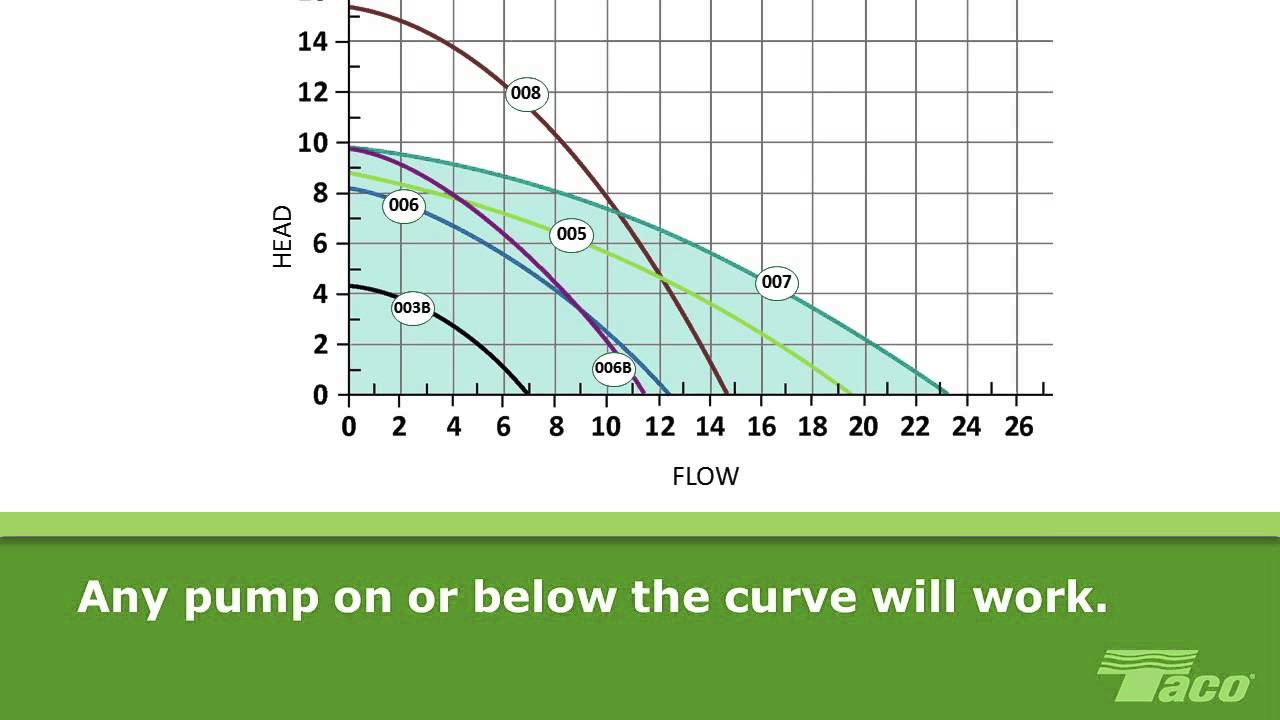 How To Read a Pump Curve 101 YouTube . In the figure below you can see multiple curves and at the bottom is a number that indicates different impeller size options from 4.72” to 6.30’’.

 How to Read a Positive Displacement Pump Curve Intro to . It’s like looking at the product details of a light bulb in comparison to your electrical socket and lighting needs.
 How to read and use Pump Performance Curves EnggCyclopedia . Let’s see how a pump curve is formed to understand practically.
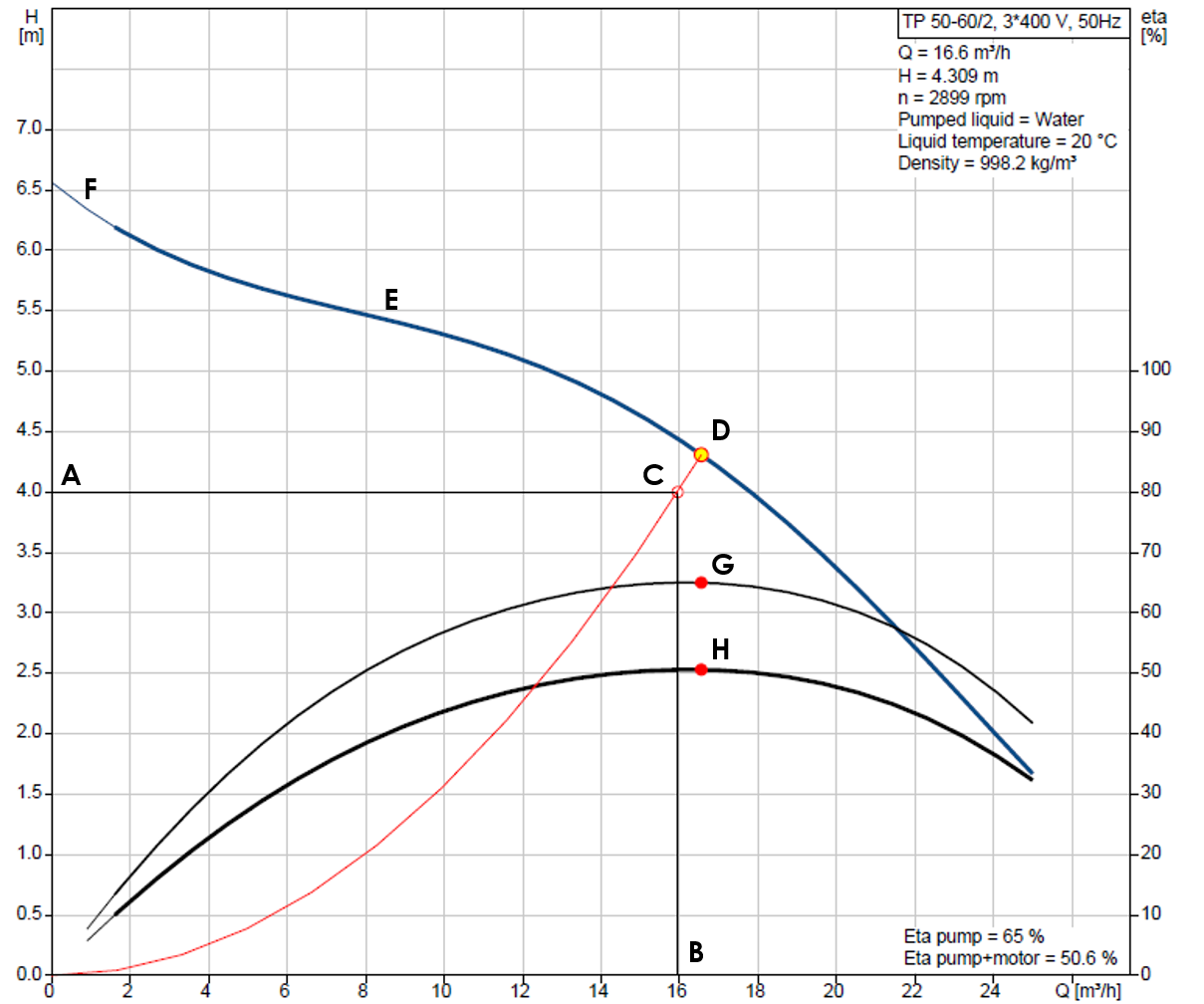 How to read a pump curve . The pump’s operating “sweet spot,” or best efficiency point (bep), is generally located near the.
